Uncategorized

MRE Meals Built for Extreme Heat and Extreme Cold

Key Takeaways:

  • Climate durability determines how reliable your MRE meals are in real-world emergencies.
  • MRE meals remain safe in freezing temperatures but require smart preparation planning.
  • Extreme heat gradually reduces food quality without shaded, ventilated storage.
  • Climate-tested MREs reduce risk during power outages, travel disruptions, and harsh conditions.
  • Proper storage significantly extends MRE shelf life in extreme heat and cold.

MRE Meals in Extreme Climates: Heat and Cold Tested

When you rely on MRE meals, durability is not a luxury; it is essential. From desert regions facing extreme heat to northern territories battling extreme cold, ready-to-eat rations must perform in some of the world’s most demanding environments. Whether stored in an apartment, vehicle, warehouse, or rural property, climate resilience determines how dependable your emergency food supply truly is.

At MRE International, meals are developed and distributed with real-world conditions in mind. For customers across the UAE, Saudi Arabia, Russia, the Baltic region, and Kazakhstan, climate performance is not theoretical. It is practical.

Across the Middle East, MRE meals are commonly used for desert travel, security operations, oil and gas sites, and emergency preparedness in high-heat environments.

In Russia, Kazakhstan, and the Baltic states, climate-resilient rations support remote industrial operations, winter travel, infrastructure teams, and emergency winter preparedness planning.

Discover climate-tested MRE supply across key global regions.

Regional Applications in Middle East and Northern Eurasia

In regions such as the UAE, Saudi Arabia, and Algeria, summer temperatures can exceed 45–50°C, making proper food storage essential for maintaining shelf life. Traditional packaged goods can degrade quickly when exposed to sustained heat, especially if stored improperly.

Quality MRE meals are designed with extended shelf life in mind. Their sealed packaging and controlled production processes help protect against contamination and spoilage. However, even the most durable rations benefit from sensible storage practices.

Key Considerations for Extreme Heat

  • Store meals in shaded, ventilated spaces away from direct sunlight
  • Avoid long-term storage inside vehicles where temperatures can spike
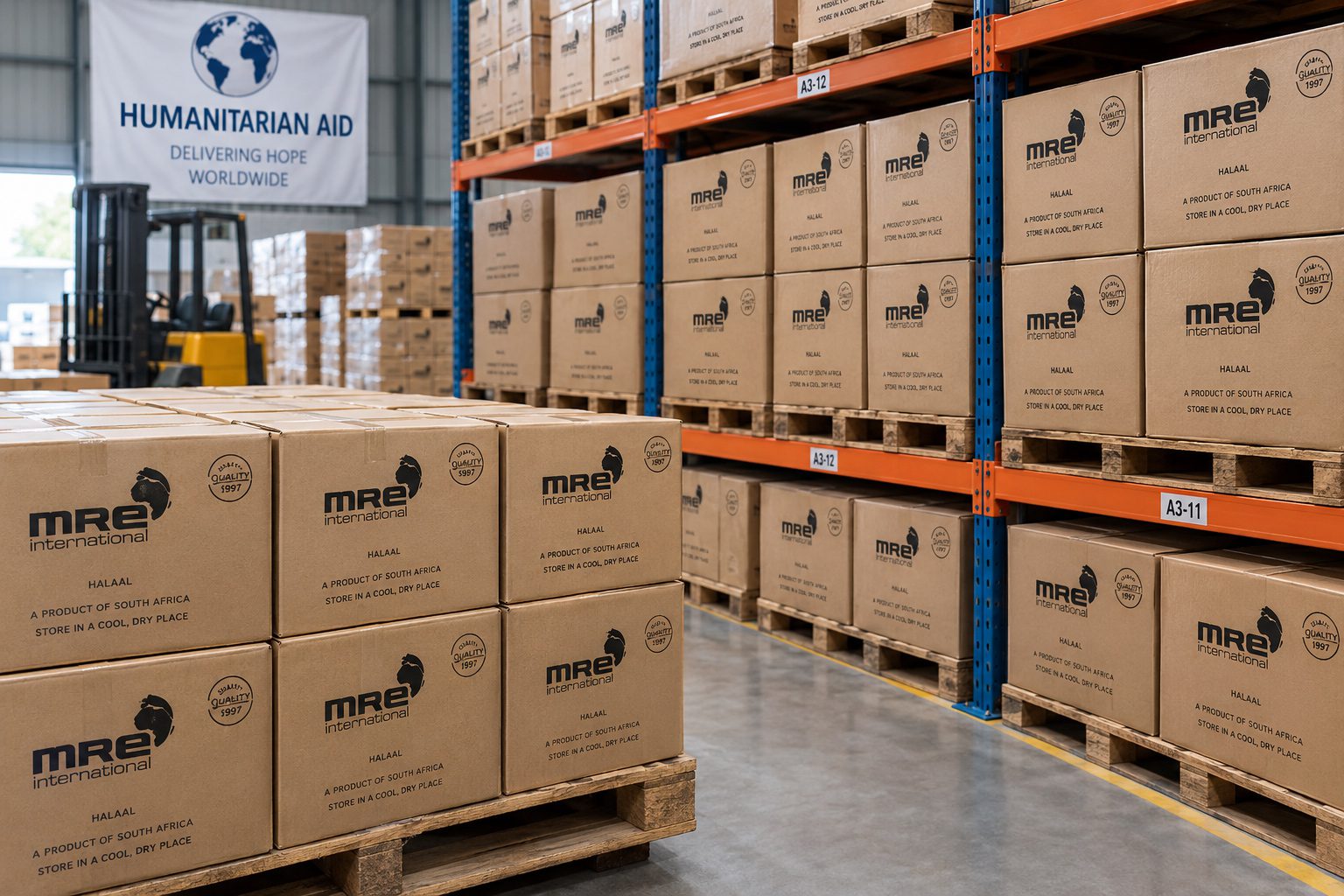
  • Keep stock elevated from floors to reduce heat transfer
  • Rotate supplies periodically to maintain optimal freshness

In harsh climate regions, high temperature exposure can shorten shelf life over time. While MREs are engineered for resilience, consistent storage below peak heat levels helps preserve flavor, texture, and nutritional quality.

For customers operating in desert environments, temperature-stable food provides reassurance during travel, outdoor work, or unexpected disruptions.

Explore our regional supply options and delivery coverage.

Performance of MRE Meals in Extreme Cold Environments

Cold climates present a very different challenge. In countries such as Russia, Kazakhstan, and across the Baltic region, winter temperatures regularly fall below -20°C and can reach -30°C in remote areas.

The good news is that MRE meals are highly suitable for extreme cold conditions. Unlike canned goods, they are less prone to bursting when frozen. The main consideration in low temperatures is not spoilage but usability.

When exposed to extreme cold:

  • Meals may freeze solid but remain safe to consume once thawed
  • Heating components may take longer to activate
  • Water used for heating may freeze without proper insulation
  • Packaging can become rigid and more difficult to open

In freezing climates, simple preparation planning makes all the difference. Storing meals indoors when possible and keeping heating elements at moderate temperatures improves reliability during winter months.

For mountain regions, remote properties, and long-distance travel routes in cold territories, having food that tolerates freezing conditions is essential.

Camper heating MRE pouch beside snow-covered tent in freezing wilderness.

Why Climate Durability Matters for Emergency Planning

Whether facing sandstorms, winter power outages, or remote travel across large distances, climate durability is a key factor in food preparedness. MRE meals are valued not only for convenience but for their stability across diverse environments.

In both extreme heat and extreme cold, dependable food supplies reduce operational risk. They provide:

  • Reliable nutrition during infrastructure disruptions
  • Lightweight transport for travel or fieldwork
  • Reduced reliance on refrigeration
  • Long shelf life for emergency storage

For households, security teams, outdoor workers, and travellers across regions such as Saudi Arabia, Kazakhstan, and the Baltic states, climate-ready food is part of responsible preparation.

Explore the full post on MRE Emergency Food Supply.

Storage Tips for Apartments, Vehicles and Rural Homes

Climate resilience is strongest when paired with good storage practices. No matter where you are located, thoughtful placement extends the life of your supplies.

Practical Storage Advice

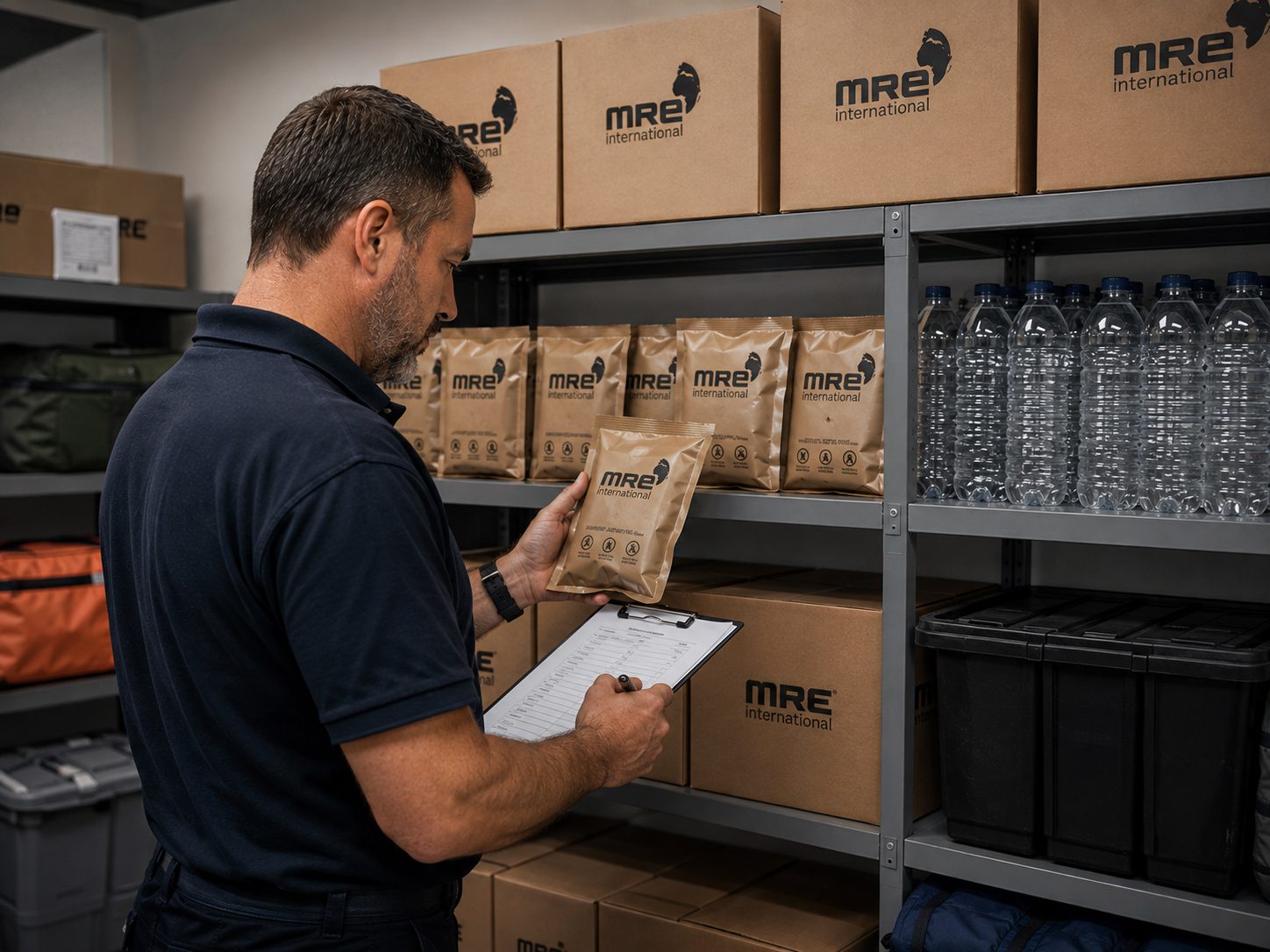
  • Choose a cool, dry storage area inside the home
  • Avoid attics or metal sheds that trap heat
  • Keep meals off concrete floors in cold regions
  • Store inside insulated containers if transporting through harsh climate zones
  • Check packaging periodically for damage

Managing exposure to sustained heat or deep freezing conditions significantly improves product longevity and performance.

Reliable MRE Meals for Demanding Environments

Climate is unpredictable. From the desert landscapes of the UAE to the freezing winters of Russia and Kazakhstan, environmental extremes require practical solutions. MRE meals remain one of the most adaptable food options available for challenging conditions.

MRE International supplies climate-tested MRE meals across the UAE, Saudi Arabia, Algeria, Russia, Kazakhstan, and the Baltic states (Lithuania, Latvia, and Estonia). Designed for desert heat exceeding 45°C and freezing winter conditions below -30°C, our rations are selected for reliability in both Middle Eastern and Northern European environments.

Whether you are preparing for travel, emergency readiness, or professional deployment in a harsh climate, selecting climate-tested MRE meals ensures that when conditions become difficult, your food supply does not.

Explore our Essential, Core and Elite ranges and stock up today for dependable nutrition wherever you are.

FAQS

Because they are lightweight, long-lasting, and built to stay stable in both extreme heat and extreme cold, making them reliable in harsh climate conditions.

High temperature storage can gradually reduce shelf life and affect taste or texture over time, especially if the meals are kept in direct sunlight or inside hot vehicles.

Food that performs in extreme climates ensures consistent nutrition during power outages, travel disruptions, or natural events when conditions are unpredictable.

They should be kept in shaded, ventilated areas away from direct sunlight and enclosed spaces such as vehicles where temperatures can rise quickly.

Latest Articles

A Complete Guide to Modern Food Ration Packs

A Complete Guide to Modern Food Ration Packs

Key Takeaways: Modern food ration packs provide complete, shelf stable nutrition for demanding operational and emergency environments. The right MRE ration pack balances nutrition, portability, shelf life, and operational requirements.…

Choosing Army Ration Packs Based on Nutritional Performance

Choosing Army Ration Packs Based on Nutritional Performance

Key Takeaways: Nutrition directly impacts endurance, recovery, decision-making, and overall mission success. Calorie count alone is not enough. Nutrient balance drives operational performance. Mission type and environment should determine ration…

The Evolution of Military Rations: From Canned Meals to MREs

The Evolution of Military Rations: From Canned Meals to MREs

Key Takeaways: Military rations evolved to improve nutrition, mobility, and operational efficiency. Lightweight ration packs transformed military logistics and troop mobility. Modern MREs deliver reliable nutrition without refrigeration or preparation.…