Key Takeaways:
- Nutrition directly impacts endurance, recovery, decision-making, and overall mission success.
- Calorie count alone is not enough. Nutrient balance drives operational performance.
- Mission type and environment should determine ration pack nutritional requirements.
- Balanced protein, carbohydrates, and fats support sustained physical and mental performance.
- Dietary compliance helps maintain nutrition, morale, and operational readiness.
- Verified nutritional quality reduces fatigue and improves performance in demanding environments.
Army Ration Packs Explained: How to Select the Right Solution
Selecting the right army ration packs is about far more than convenience. In military, humanitarian, and remote operational environments, nutrition directly influences physical endurance, cognitive performance, recovery, and mission success. Whether you’re procuring supplies for defence forces, coordinating humanitarian aid logistics, or managing personnel in remote locations, nutritional performance should be the primary factor guiding your ration selection.
Poor nutrition in the field can lead to fatigue, impaired decision-making, slower recovery from injury, and reduced operational effectiveness. In high-pressure environments where every decision matters, these consequences can quickly escalate into mission failure.
This guide explains how to evaluate military rations based on nutritional performance, helping procurement officers, NGO logistics teams, remote workforce managers, and defence buyers make informed decisions.
Why Nutrition Determines Operational Outcomes
The Physical Cost of Under-Nourishment in the Field
Personnel operating in demanding environments often expend significantly more energy than civilians. Long patrols, tactical operations, disaster response efforts, and remote workforce deployments all place substantial physical demands on the body.
When calorie intake fails to match expenditure, individuals experience reduced endurance, slower reaction times, impaired recovery, and increased susceptibility to injury. Selecting the wrong food ration packs can therefore have direct operational consequences.
Even short-term caloric deficits can negatively affect performance, particularly during extended deployments where resupply opportunities are limited.
Cognitive Performance & Decision-Making Under Pressure
Physical performance is only part of the equation. Nutrition also plays a critical role in maintaining alertness, concentration, and judgement.
Micronutrient deficiencies can contribute to fatigue, reduced focus, and slower decision-making. In military and emergency response environments, cognitive impairment can be as damaging as physical exhaustion.
High-quality military rations are designed to support both physical and mental performance, ensuring personnel remain mission-ready under challenging conditions.
What to Look for in a Nutritionally Complete Army Ration Pack
Caloric Density vs Caloric Sufficiency
While many buyers focus on total caloric content, true nutritional performance depends on both caloric sufficiency and nutrient quality.
Most army ration packs provide between 1,200 and 3,600 calories per ration, depending on their intended use. Standard field deployments and humanitarian operations typically fall toward the lower end of this range, while high-intensity tactical missions and extreme-weather operations require significantly higher caloric intake.
When evaluating options, consider not only calorie totals but also nutrient density, hydration support, and overall balance.
Military organisations worldwide rely on stringent military-grade standards to ensure ration packs deliver consistent performance under operational conditions.
Macronutrient Balance in Military Meals
A well-designed ration pack provides an effective balance of:
- Protein for muscle maintenance and recovery
- Carbohydrates for immediate and sustained energy
- Healthy fats for long-lasting calorie delivery and thermal support in cold environments
The most effective military meals balance all three macronutrients according to operational requirements.
Vitamins, Micronutrients & Long-Term Operational Health
Beyond calories and macronutrients, micronutrients support immune function, recovery, hydration, and overall resilience.
When comparing suppliers, look for:
- Vitamin and mineral fortification
- Electrolyte support
- Hydration components
- Independent nutritional testing
These factors become particularly important during prolonged deployments where personnel rely heavily on ready-to-eat food for extended periods.
For a more detailed breakdown of MRE nutrition, read the full post on What Goes Into a Balanced MRE Meal
Matching Army Ration Pack Nutrition to Environment & Mission Type
High-Intensity Combat & Tactical OperationsCombat operations and physically demanding missions require increased caloric intake and elevated protein consumption. The best MRE packs for these scenarios include:
These features help sustain performance during prolonged periods of exertion. |
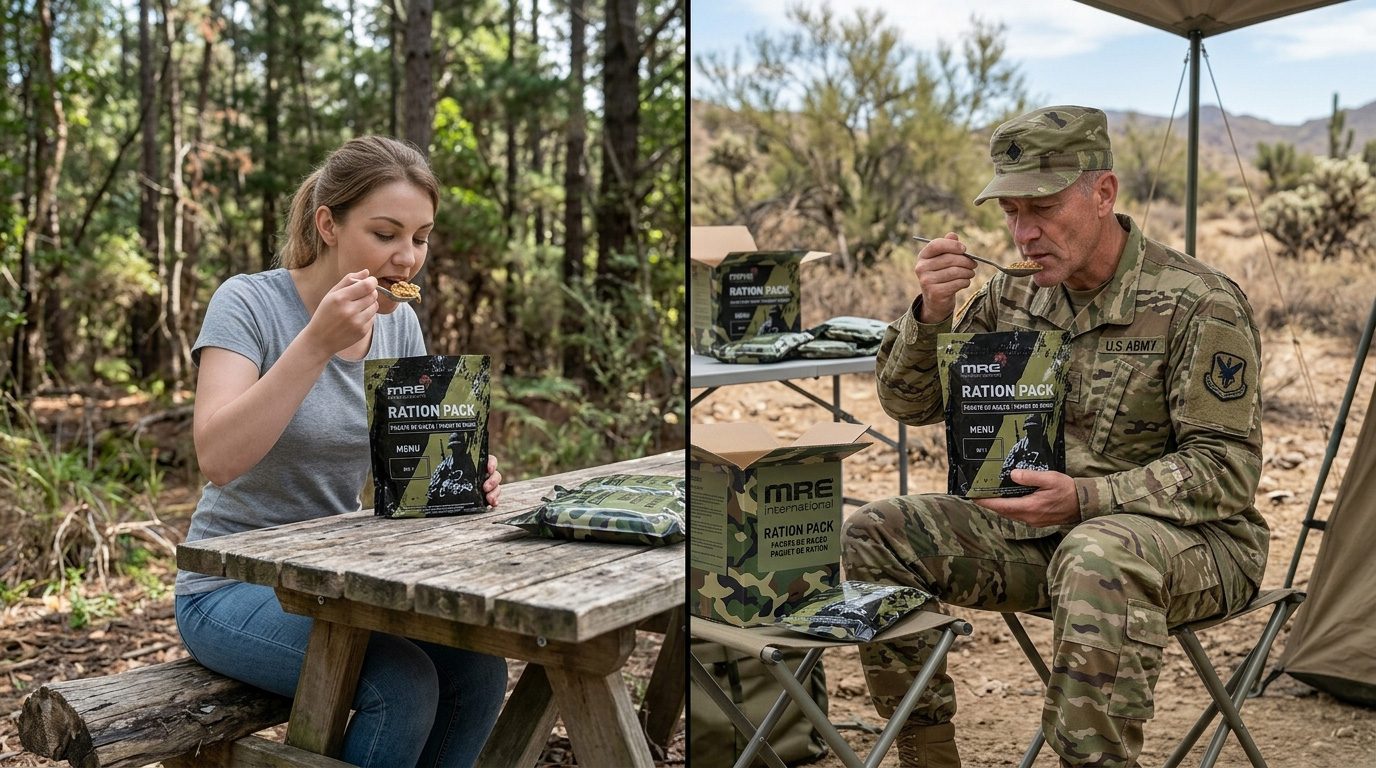
Sustained Low-Intensity Operations & PeacekeepingPeacekeeping missions and long-term security operations often involve lower physical intensity but longer deployment durations. One common challenge is nutritional fatigue. Menu variety becomes essential to maintain morale and encourage consistent consumption over time. A diverse selection of field rations for remote operations helps prevent appetite loss and improves nutritional compliance. Organisations seeking greater menu flexibility can also explore custom ration pack solutions designed around specific operational requirements. |
Hot Climate & African Operational ContextsOperating in hot, humid, or arid environments significantly increases fluid and electrolyte loss. Key nutritional considerations include:
MRE International’s formulations are specifically designed to perform in challenging sub-Saharan environments. Learn more about MRE Meals Built for Extreme Heat and Extreme Cold. |
Cold-Weather & High-Altitude OperationsCold environments place additional metabolic demands on personnel as the body works harder to maintain core temperature. The most effective army ration packs for cold-weather deployments typically feature:
Learn more about how military rations are adapted for challenging climates in our guide to MRE Meals Built for Extreme Heat and Extreme Cold. |
Dietary Compliance as a Nutritional & Operational Requirement
HALAL Military MealsModern defence operations often involve multinational forces and diverse personnel requirements. HALAL-certified military meals provide nutritional equivalence while ensuring compliance with religious dietary requirements. For many African and international defence forces, this is a critical procurement consideration. Learn more in our guide to Food Ration Packs for Vegan, HALAL and Gluten-Free Diets. | Vegan & Plant-Based Field RationsDemand for plant-based food ration packs continues to grow across humanitarian, civilian, and workforce sectors. Modern vegan formulations can successfully meet protein, calorie, and micronutrient requirements through carefully balanced ingredients such as legumes, soy-based proteins, grains, and fortified foods. Learn more about vegan military ration and plant-based field feeding options. |
Shelf-Stable Nutrition: What Procurement Officers Need to Know
How Nutrient Integrity Is Preserved Over Time
One of the greatest strengths of a modern MRE ration pack is its ability to deliver long-lasting nutrition without refrigeration.
MRE International’s ration packs utilise retort pouch technology to help preserve nutritional value while maintaining product safety and shelf stability.
Storage conditions remain important. Excessive heat exposure can accelerate nutrient degradation, particularly for temperature-sensitive vitamins.
Evaluating Nutritional Claims on Army Ration Pack Labels
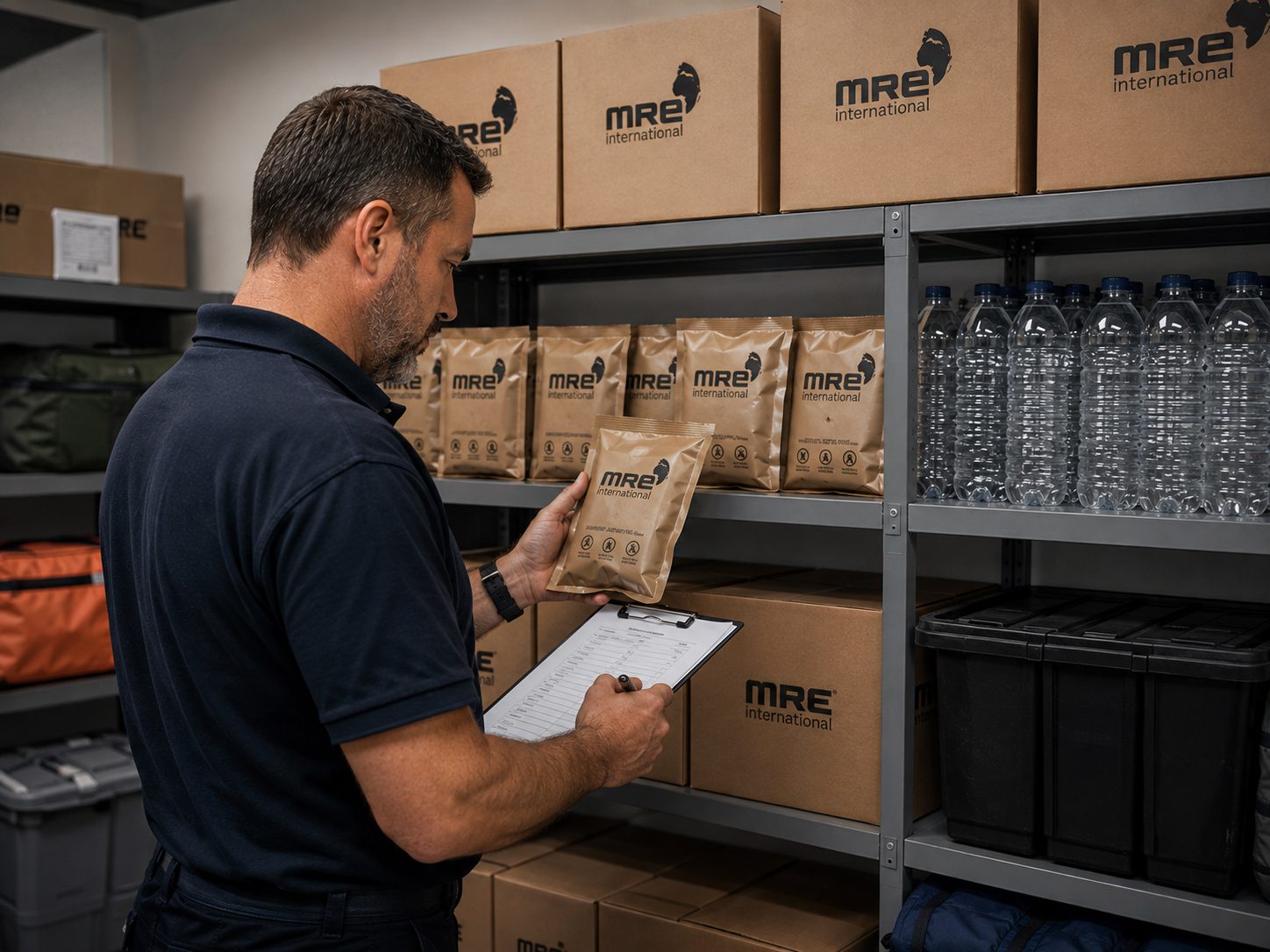
When choosing a supplier, verify:
- Total calories per ration
- Protein, carbohydrate, and fat ratios
- Micronutrient fortification levels
- Shelf-life testing data
- Hydration and electrolyte content
For guidance on choosing a supplier, read How to Choose an MRE Meal Supplier.
The Future of Nutrition in Army Ration Packs
Functional Foods & Performance Nutrition
Next-generation army ration packs increasingly incorporate performance-enhancing ingredients designed to optimise energy delivery, focus, and recovery.
Emerging developments include nootropic compounds, adaptogenic ingredients, and specialised recovery formulations that go beyond basic calorie provision.
Personalised & Mission-Specific Ration Formulation
Advances in nutritional science may soon enable customised ration systems tailored to individual personnel and mission requirements. Rather than relying on a single ration pack for all personnel, future programmes could provide different nutritional profiles based on climate, mission duration, activity levels, and operational roles.
AI-driven nutritional planning and modular ration configurations could help procurement teams adjust calorie intake, macronutrient balance, hydration support, and recovery-focused nutrition to better match operational demands.
Lightweight High-Energy Food Systems
Future ration systems are expected to deliver more calories and nutrition in smaller, lighter packages. Advances in food technology, ingredient selection, and packaging design may allow military organizations to reduce the weight and volume of ration packs without compromising nutritional value.
This evolution will benefit rapid deployment forces, humanitarian responders, and air-mobile operations where logistics efficiency is critical.
Supporting Performance with the Right Army Ration Packs
Nutrition is not a secondary consideration when selecting army ration packs, it is the foundation of operational performance. The right ration solution combines adequate caloric density, balanced macronutrients, micronutrient support, hydration components, and dietary compliance requirements to meet the demands of specific missions and environments.
From military deployments and humanitarian operations to remote workforce management, choosing nutritionally verified MRE packs can significantly improve endurance, resilience, and mission effectiveness.
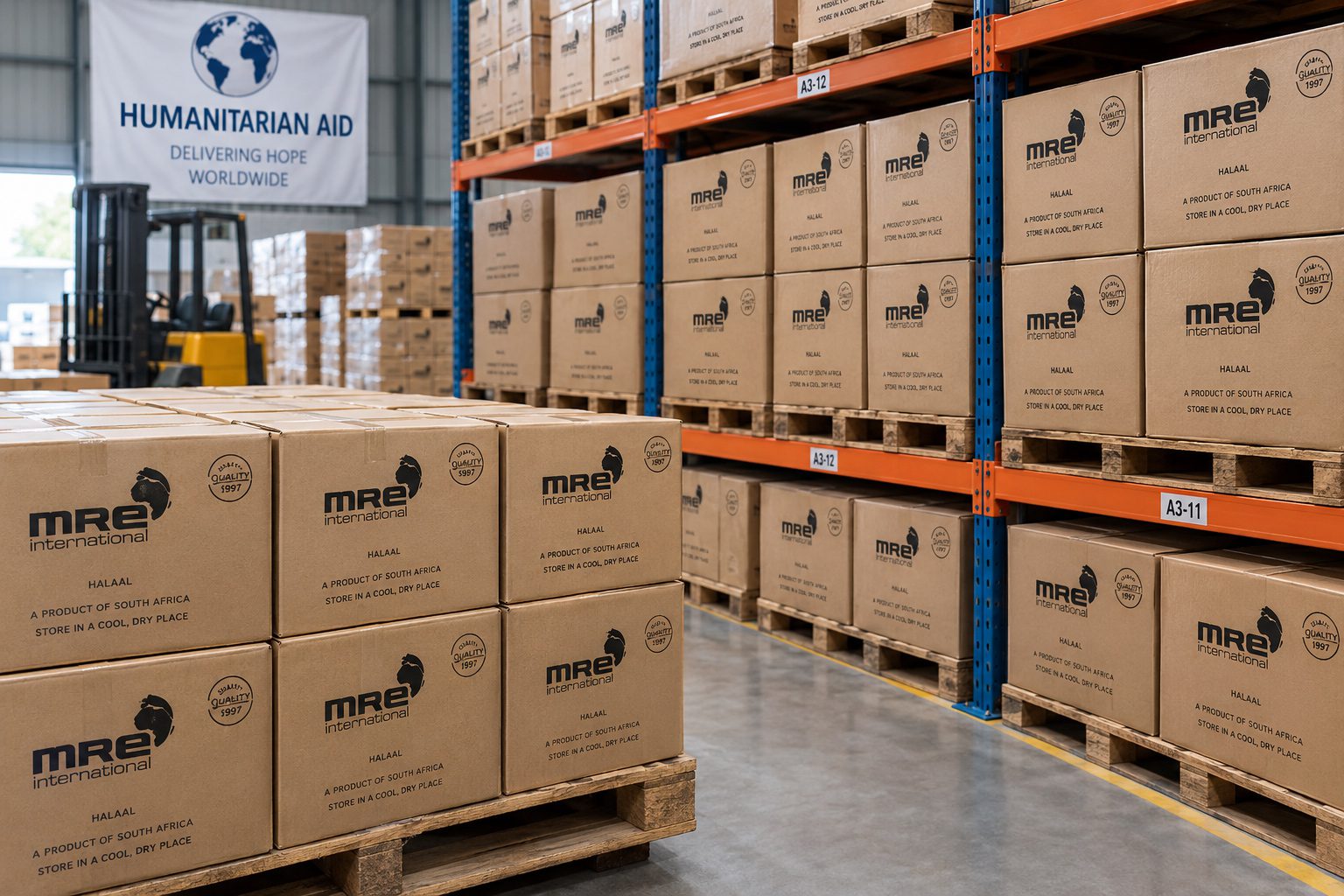
MRE International supplies high-performance military rations, emergency food supply solutions, and ready-to-eat food products to defence organisations, NGOs, and commercial operators worldwide.
Contact MRE International today to discuss bulk orders, custom ration formulation, and palletised supply solutions with worldwide distribution from South Africa.
FAQS
Protein supports muscle repair and recovery, carbohydrates provide immediate and sustained energy, and fats deliver long-lasting caloric density. All three are essential for optimal operational performance.
Properly stored army ration packs retain most of their nutritional value throughout their shelf life. Retort pouch technology preserves nutrients, while storage below 21°C helps minimise degradation.
Yes. Modern HALAL-certified and plant-based formulations can achieve the same caloric, protein, and micronutrient targets as conventional military rations.
Review caloric content, macronutrient ratios, micronutrient fortification, hydration components, shelf-life data, dietary compliance certifications, and independent laboratory testing results.